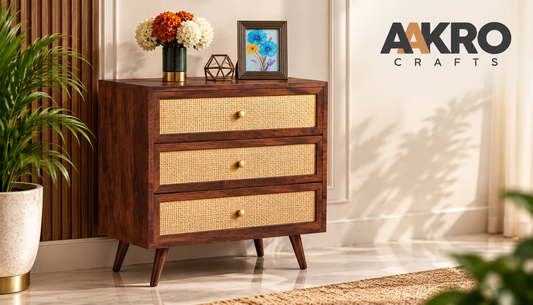
What is the main purpose of a sideboard cabinet?
A well-organized home is not just about having enough space. It is about choosing furniture that makes everyday life easier. Have you ever noticed how dining tables become crowded with extra plates, serving bowls, tablecloths and other household essentials? This is where a sideboard cabinet can make a real difference.
A sideboard cabinet is a practical furniture piece that combines storage, functionality and visual appeal. Whether you are furnishing a modern apartment, a spacious home or a hotel, a wooden cabinet sideboard India can help keep interiors organized while adding a stylish touch.
But what exactly is the main purpose of a sideboard cabinet? Why do homeowners and interior designers consider it an important furniture piece?
Let's understand its uses, benefits and how to choose the right one for your space.
What Is a Sideboard Cabinet?
A sideboard cabinet is a low or medium-height storage unit generally designed with drawers, shelves and closed compartments. Traditionally, sideboards were placed in dining rooms to store dinnerware, cutlery, table linens and serving accessories.
Today, their purpose has expanded beyond dining rooms. Modern sideboard cabinets are commonly used in living rooms, hallways, bedrooms, offices and hotel interiors.
Wooden sideboards are particularly popular because they combine natural beauty with practical storage. Materials such as Sheesham wood, mango wood and other solid woods can provide durability and an attractive finish.
A well-designed sideboard can serve as both a storage cabinet and a decorative furniture piece.
What Is the Main Purpose of a Sideboard Cabinet?
The main purpose of a sideboard cabinet is to provide organized storage while offering a convenient surface for everyday use and decoration.
Unlike large wardrobes or tall storage units, sideboards usually have a relatively low profile. This makes them suitable for areas where you need storage without making the room feel overcrowded.
A sideboard cabinet serves three important functions:
-
Storage: Keeps everyday essentials neatly arranged.
-
Functionality: Provides an accessible surface for serving or displaying items.
-
Decoration: Improves the overall appearance of a room.
These features make sideboards a useful furniture choice for both residential and commercial interiors.
5 Main Benefits of Using a Wooden Sideboard Cabinet
1. Provides Extra Storage Space
One of the biggest advantages of a sideboard cabinet is its ability to create additional storage.
In many Indian homes, storage becomes a challenge as household items increase. Dining accessories, decorative pieces, documents and other essentials often occupy open shelves or tables.
A wooden sideboard cabinet provides dedicated compartments for these items.
You can use it to store:
-
Dinner plates and serving bowls
-
Glassware and cutlery
-
Tablecloths and napkins
-
Small household accessories
-
Books and documents
-
Seasonal decorative items
Closed compartments also help reduce visible clutter and protect stored items from everyday dust.
2. Keeps the Dining Room Organized
The dining room is one of the most common places to use a sideboard cabinet.
During family meals or gatherings, having plates, serving utensils and other essentials nearby makes dining more convenient.
Instead of repeatedly visiting the kitchen, you can keep frequently used items inside the sideboard.
The top surface can also be used temporarily for serving dishes, arranging refreshments or keeping additional tableware during gatherings.
For Indian families who regularly host guests or celebrate festivals at home, a sideboard can make dining arrangements more comfortable and organized.
3. Enhances Interior Decoration
A sideboard cabinet is not only a storage unit. It can also become an attractive feature of your interior design.
A wooden sideboard with a natural grain pattern, polished finish or modern detailing can complement different interior styles.
For example, a solid wood sideboard with a warm brown finish can suit traditional interiors, while a cabinet with clean lines and minimal handles may work better in a contemporary home.
You can decorate the top surface with:
-
Table lamps
-
Indoor plants
-
Decorative vases
-
Framed photographs
-
Artwork
-
Small sculptures
The key is to maintain a balanced arrangement without overcrowding the surface.
4. Makes Better Use of Available Space
Not every home has enough space for large cabinets or additional wardrobes.
A sideboard provides a practical alternative because it combines storage with a relatively compact design.
Its horizontal structure makes it suitable for placement against a wall in a dining room, hallway or living area.
For smaller homes, a sideboard with sliding doors or carefully planned drawers can be especially useful.
Before purchasing one, measure the available space and ensure there is enough clearance to open its doors and drawers comfortably.
5. Works as Multipurpose Furniture
Another important benefit of a wooden sideboard cabinet is its versatility.
You do not need to limit it to the dining room.
In a living room, it can store books, accessories and other everyday essentials.
In a hallway, it can function as a console-style storage unit.
In a bedroom, it can provide extra space for clothing accessories or personal belongings.
In hotel interiors, sideboard cabinets may be used in suites, dining areas, lounges or reception spaces to store supplies and support decorative displays.
This flexibility makes sideboards a valuable furniture investment for different types of interiors.
Where Can You Place a Sideboard Cabinet?
Choosing the right location is important for making the most of a sideboard cabinet.
Dining Room
A dining room is the traditional location for a sideboard. It keeps dining essentials accessible and provides additional serving space during meals.
Living Room
A wooden sideboard can work as a decorative storage unit in a living room. It can be placed against an empty wall and styled with lamps, artwork or indoor plants.
Bedroom
In bedrooms, sideboards can provide additional storage for accessories, folded clothing and personal items.
Hallway or Entrance
A compact sideboard can make an entrance more functional. It provides space for everyday essentials while improving the appearance of the hallway.
Hotel Rooms and Hospitality Spaces
Hotels can use sideboard cabinets in premium rooms, suites and common areas.
Depending on the design, they may store guest amenities, dining accessories or operational supplies.
For hospitality businesses, choosing furniture that is easy to maintain and suitable for frequent use is particularly important.
Which Wood Is Best for a Sideboard Cabinet in India?
The material of a sideboard cabinet affects its appearance, durability, maintenance and price.
Here are some commonly used options.
Sheesham Wood
Sheesham wood is known for its distinctive grain patterns and strength. It is commonly used for solid wood furniture in India.
A properly constructed Sheesham wood sideboard can be a good option for homeowners looking for a durable furniture piece with a natural appearance.
Mango Wood
Mango wood is another popular furniture material. It offers attractive grain variations and can be used to create both traditional and modern designs.
It is often considered by buyers looking for solid wood furniture at different price points.
Engineered Wood
Engineered wood products, including plywood and MDF, are also used in cabinet manufacturing.
Their suitability depends on material quality, construction, finish and intended use.
For long-term performance, buyers should consider the cabinet's overall construction rather than selecting it based on appearance alone.
7 Things to Consider Before Buying a Wooden Sideboard Cabinet
If you are planning to purchase a sideboard cabinet, consider these important factors.
1. Available Space: Measure the room and select a cabinet that fits without restricting movement.
2. Storage Requirements: Decide whether you need more drawers, shelves or enclosed compartments.
3. Wood Quality: Check the material, construction and finish to understand its suitability for daily use.
4. Cabinet Design: Choose a style that complements your existing furniture and interior theme.
5. Height and Width: Make sure the cabinet dimensions are comfortable for your intended use.
6. Hardware Quality: Check hinges, drawer runners, handles and other fittings for smooth operation.
7. Maintenance: Select a finish that is practical to clean and maintain, particularly for dining areas and hotels.
A carefully selected sideboard should meet your storage needs while remaining visually suitable for the room.
What Is the Difference Between a Sideboard and a Cabinet?
Although the terms are sometimes used interchangeably, there are differences between a sideboard and a general storage cabinet.
A sideboard is typically a low, wide furniture unit designed for storage and surface use. It is commonly placed in dining rooms and living spaces.
A cabinet is a broader furniture category that includes storage units of different heights, shapes and purposes.
For example, a kitchen cabinet is designed for kitchen storage, while a wardrobe cabinet is primarily intended for clothing.
A sideboard can therefore be considered a specific type of storage cabinet.
Why Choose Aakro Crafts for Wooden Sideboard Furniture?
Choosing the right furniture manufacturer is just as important as selecting the design.
At Aakro Crafts, the focus is on wooden furniture solutions for residential and hospitality interiors.
Whether you are planning furniture for a modern home, hotel room or commercial property, selecting suitable dimensions, materials and finishes helps create a more functional interior.
When considering wooden sideboard furniture, buyers should focus on practical storage layouts, construction quality and designs that complement the surrounding space.
For hotel projects, furniture requirements may also include consistent finishes, coordinated designs and suitability for everyday commercial use.
Explore Wooden Furniture Solutions with Aakro Crafts
Website: www.aakro.in
Contact: +91-8824245038
Conclusion
The main purpose of a sideboard cabinet is to make storage more convenient while improving the appearance and functionality of a room.
From organizing dining essentials to displaying decorative accessories, a sideboard offers several practical benefits.
Its versatility allows it to be used in living rooms, dining areas, bedrooms, hallways and hospitality interiors.
When selecting a wooden cabinet sideboard India, consider the material, storage capacity, dimensions and overall design. A well-chosen wooden sideboard can help create a cleaner, more organized and visually appealing interior.
Frequently Asked Questions (FAQs)
1. What is the main use of a sideboard cabinet?
The main use of a sideboard cabinet is to store household essentials such as dinnerware, cutlery, table linens and accessories. It also provides a convenient surface for serving or decoration.
2. Can a sideboard cabinet be used in a living room?
Yes. A sideboard cabinet can be used in a living room for storing books, accessories and everyday items while providing space for decorative displays.
3. What is the ideal height of a sideboard cabinet?
Many sideboard cabinets are approximately 75–90 cm high, although dimensions vary by design and intended use. The ideal height depends on room proportions and user requirements.
4. Is a wooden sideboard cabinet suitable for small homes?
Yes. A compact sideboard with well-planned compartments can provide additional storage without requiring a large amount of floor space.
5. Which wood is suitable for a sideboard cabinet?
Sheesham wood and mango wood are commonly used for wooden sideboards. The best choice depends on your budget, design preferences, construction quality and maintenance needs.
6. Can sideboard cabinets be used in hotels?
Yes. Sideboard cabinets can be used in hotel suites, dining spaces, lounges and other hospitality areas for storage and decorative purposes.
7. Is a sideboard cabinet different from a buffet cabinet?
The terms are often used interchangeably. Both generally provide storage and serving space, although their dimensions and design details may differ.
Tags:
Previous
How to buy a solid wood coffee table for hotels in india online
Next
What are the benefits of custom furniture?
Related Articles

Which beds with storage are of good quality?
Oct 19 2026


What are the benefits of custom furniture?
Oct 12 2026