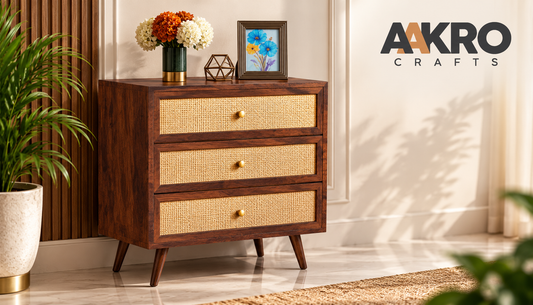
Which Quality of Wood Is Best for Furniture?
Furniture is more than just a functional addition to your home. It reflects your lifestyle, enhances your interior design, and serves your family for years. Whether you are furnishing a new home or upgrading your existing space, one of the most important decisions is choosing the right type of wood. The quality of wood plays a significant role in determining the strength, durability, appearance, and longevity of furniture. Choosing products from a trusted wooden furniture manufacturer rajasthan also ensures excellent craftsmanship, premium materials, and furniture that is built to last.
With so many options available in the market, buyers often wonder which quality of wood is best for furniture. The answer depends on several factors including durability, grain pattern, maintenance, budget, and intended use. Understanding the characteristics of different wood types helps you make an informed decision and ensures that your investment delivers lasting value. Whether you are buying a bed, dining table, wardrobe, or storage unit, selecting the right wood guarantees better performance and long-term satisfaction.
Understanding Wood Quality
Wood quality refers to the characteristics that determine how suitable a particular type of wood is for furniture manufacturing. High-quality wood is strong, stable, resistant to wear, and capable of maintaining its beauty for many years. It also provides better structural integrity and requires fewer repairs over its lifetime.
Several factors determine the quality of wood, including:
- Density and hardness
- Moisture content
- Grain pattern
- Resistance to termites and insects
- Ability to withstand humidity
- Ease of polishing and finishing
- Overall durability
Furniture crafted from premium wood not only looks elegant but also performs exceptionally well under daily use.
Hardwood vs Softwood
Before selecting furniture, it is important to understand the difference between hardwood and softwood.
Hardwood
Hardwood comes from slow-growing deciduous trees. These trees produce dense wood that is stronger and more durable than softwood. Hardwood is widely preferred for manufacturing premium furniture because it offers excellent strength and longevity.
Common hardwoods include:
- Sheesham
- Teak
- Oak
- Walnut
- Maple
- Mahogany
Hardwood is ideal for beds, wardrobes, dining tables, TV units, bookshelves, cabinets, and office furniture.
Softwood
Softwood comes from evergreen trees such as pine, cedar, spruce, and fir. These woods grow much faster and are easier to process, making them more affordable.
Softwood furniture is suitable for decorative pieces and lightweight furniture. However, it is generally less resistant to dents, scratches, and heavy daily use.
Why Wood Quality Matters
The quality of wood directly affects the performance, appearance, and lifespan of furniture. Choosing premium-quality wood offers several long-term benefits.
Superior Durability
High-quality wood remains strong even after years of continuous use. Properly maintained hardwood furniture can easily last for decades without losing its structural strength.
Better Load-Bearing Capacity
Beds, dining tables, wardrobes, and bookshelves need strong wood that can handle everyday weight without bending or weakening.
Timeless Beauty
Natural wood has unique grain patterns that make every furniture piece distinctive. Premium hardwood develops even greater character as it ages.
Long-Term Value
Although quality wood furniture may cost more initially, it requires fewer repairs and replacements, making it a more economical investment over time.
Easy Restoration
Unlike engineered materials, solid wood furniture can be sanded, polished, and refinished several times to restore its original appearance.
Best Types of Wood for Furniture
Sheesham Wood
Sheesham, also known as Indian Rosewood, is one of the most popular choices for furniture manufacturing. It is valued for its exceptional strength, durability, and beautiful natural grain.
Advantages of Sheesham wood include:
- High durability
- Excellent strength
- Attractive grain patterns
- Natural termite resistance
- Long lifespan
- Low maintenance
Sheesham is commonly used for beds, wardrobes, dining tables, coffee tables, TV units, sideboards, and storage cabinets.
Teak Wood
Teak is considered one of the finest woods available for furniture. It contains natural oils that protect it from moisture, insects, and weather damage.
Benefits include:
- Exceptional durability
- Water resistance
- Rich golden color
- Minimal maintenance
- Suitable for indoor and outdoor furniture
Teak furniture is often chosen for luxury homes because of its premium appearance and outstanding lifespan.
Oak Wood
Oak is known for its incredible strength and classic appearance.
Its advantages include:
- High density
- Excellent durability
- Beautiful grain texture
- Resistance to wear
- Long-lasting performance
Oak is commonly used for dining tables, cabinets, office furniture, bookshelves, and bedroom furniture.
Walnut Wood
Walnut is admired for its rich brown color and luxurious appearance.
Benefits include:
- Elegant grain
- Premium finish
- Excellent durability
- High stability
Walnut furniture adds sophistication to both traditional and modern interiors.
Maple Wood
Maple is a dense hardwood with a smooth texture and light natural color.
Features include:
- Strong construction
- Scratch resistance
- Smooth finish
- Easy maintenance
- Excellent durability
It is widely used for dressers, study tables, kitchen cabinets, and bedroom furniture.
Mahogany Wood
Mahogany is recognized worldwide for its luxurious appearance and outstanding performance.
Advantages include:
- Rich reddish-brown color
- Excellent durability
- Smooth finish
- Easy workability
- Long lifespan
Mahogany furniture is commonly found in premium homes and executive office spaces.
Solid Wood vs Engineered Wood
Many homeowners compare solid wood and engineered wood before making a purchase.
Solid Wood
Solid wood furniture is made entirely from natural timber.
Benefits include:
- Exceptional durability
- Natural beauty
- High resale value
- Easy restoration
- Long service life
Although solid wood furniture costs more initially, it offers better value over time.
Engineered Wood
Engineered wood is manufactured using wood fibers or veneers bonded together.
Advantages include:
- Lower cost
- Lightweight
- Uniform appearance
However, engineered wood usually has a shorter lifespan and cannot be refinished repeatedly like solid wood.
Factors to Consider Before Buying Wooden Furniture
Choosing the best wood depends on your lifestyle and requirements.
Durability
Furniture that experiences heavy daily use should always be made from durable hardwood.
Climate
Some woods perform better in humid environments while others are more suitable for dry climates.
Budget
Premium hardwood costs more but offers excellent long-term value by reducing maintenance and replacement costs.
Interior Style
Dark woods such as walnut and mahogany create a luxurious atmosphere, while lighter woods like maple complement modern interiors.
Maintenance
Consider how much maintenance you are willing to perform. Some woods require occasional polishing while others need very little care.
How to Identify High-Quality Wooden Furniture
When shopping for furniture, inspect the product carefully before making a purchase.
Look for these signs:
Uniform Grain
Quality wood has consistent and attractive grain patterns without major imperfections.
Smooth Finish
Furniture should have an even surface free from rough edges or uneven polishing.
Strong Joinery
Well-crafted furniture features tightly fitted joints that improve strength and stability.
Proper Weight
Solid hardwood furniture usually feels heavier than furniture made from engineered materials.
Seasoned Wood
Properly seasoned wood contains balanced moisture levels, reducing the chances of cracking or warping.
No Major Defects
Avoid furniture with visible cracks, loose knots, or structural weaknesses.
Best Wood for Different Furniture Pieces
Different furniture items require different wood characteristics.
Beds
Sheesham, teak, and oak provide excellent stability and support for long-lasting bed frames.
Dining Tables
Dining tables require hardwood that can handle daily use while maintaining its appearance.
Wardrobes
Strong hardwood ensures wardrobes remain stable even when fully loaded.
Coffee Tables
Walnut and oak create elegant coffee tables with impressive durability.
TV Units
Sheesham combines beauty with strength, making it ideal for entertainment units.
Bookshelves
Oak and maple provide excellent support for heavy books without bending over time.
Tips for Maintaining Wooden Furniture
Proper maintenance significantly extends the life of wooden furniture.
Dust furniture regularly using a soft microfiber cloth to remove dirt and prevent scratches. Keep furniture away from direct sunlight to avoid fading. Use coasters, placemats, and protective pads to prevent stains and heat marks.
Clean spills immediately to avoid moisture damage. Polish furniture occasionally using products recommended for your wood type. Maintaining stable indoor humidity also helps prevent wood from shrinking or expanding excessively.
With proper care, premium wooden furniture can remain beautiful and functional for generations.
Why Investing in Premium Wood Is Worth It
Although premium-quality furniture often requires a higher initial investment, it provides exceptional value over time. Instead of replacing damaged furniture every few years, quality hardwood pieces continue serving your family while maintaining their appearance and strength. If you are planning to purchase beds in bulk or furnish multiple spaces, comparing the wooden bed wholesale price can help you find high-quality products that fit your budget without compromising on durability.
Premium wooden furniture also enhances the beauty of your home, increases overall property appeal, and provides long-lasting comfort. Unlike low-quality alternatives, solid wood develops character as it ages, making every piece more attractive over time. Choosing durable hardwood is not just a purchase but an investment in quality, craftsmanship, and timeless design.
Conclusion
Choosing the best quality wood for furniture is an investment in durability, comfort, and style. Hardwoods such as Sheesham, teak, oak, walnut, maple, and mahogany continue to be the preferred choices because of their exceptional strength, attractive grain patterns, and long service life. While each wood type has its own unique characteristics, selecting furniture made from premium solid wood ensures better performance and long-term value.
Before making a purchase, consider your budget, maintenance preferences, interior style, and intended use. By understanding the qualities of different wood types and investing in expertly crafted furniture, you can create a home filled with timeless pieces that remain beautiful, functional, and reliable for many years to come.
Tags:
Related Articles

Which beds with storage are of good quality?
Oct 19 2026


What are the benefits of custom furniture?
Oct 12 2026
What is the main purpose of a sideboard cabinet?
Oct 09 2026